Transportation · London
How to Get Around London
Getting around London: metro, taxis, ride-hailing, passes and airport transfers compared, plus when a rental car is actually worth it.
Updated 2026-07-01

How transport works in London
London runs on the Tube, and the visitor rules are simple: tap in and out with a contactless card or phone, never buy paper tickets, and let the daily cap handle the cost. Trains run roughly 05:00 to midnight, with 24-hour service on five lines on Friday and Saturday nights. Central London is also more walkable than the Tube map suggests — Leicester Square to Covent Garden is one stop and 250 metres.
Contactless payment (any card or phone) taps in and out on the Tube, Overground, DLR, buses and trams with a daily fare cap — no ticket needed. The Elizabeth line reaches Heathrow in ~30 min; Gatwick Express and Stansted Express cover the other hubs.
Tube
Eleven lines plus the Elizabeth line and DLR. Frequencies of 2–5 minutes mean timetables are irrelevant; just turn up. Deep-level lines get very hot in July and August.
Typical cost
£2.80–3.60 per journey in Zone 1 with contactless, capped around £8.90 a day
Buses
Cash is not accepted — contactless only. Slower than the Tube but far better for short central hops and for actually seeing the city.
Typical cost
£1.75 flat fare with a one-hour free transfer; capped around £5.25 a day
Elizabeth line
Fast, spacious and air-conditioned, running from Heathrow and Reading through the centre to Abbey Wood and Shenfield. The best option for east–west journeys and airport runs.
Typical cost
Contactless, same capping system
Thames Clipper river bus
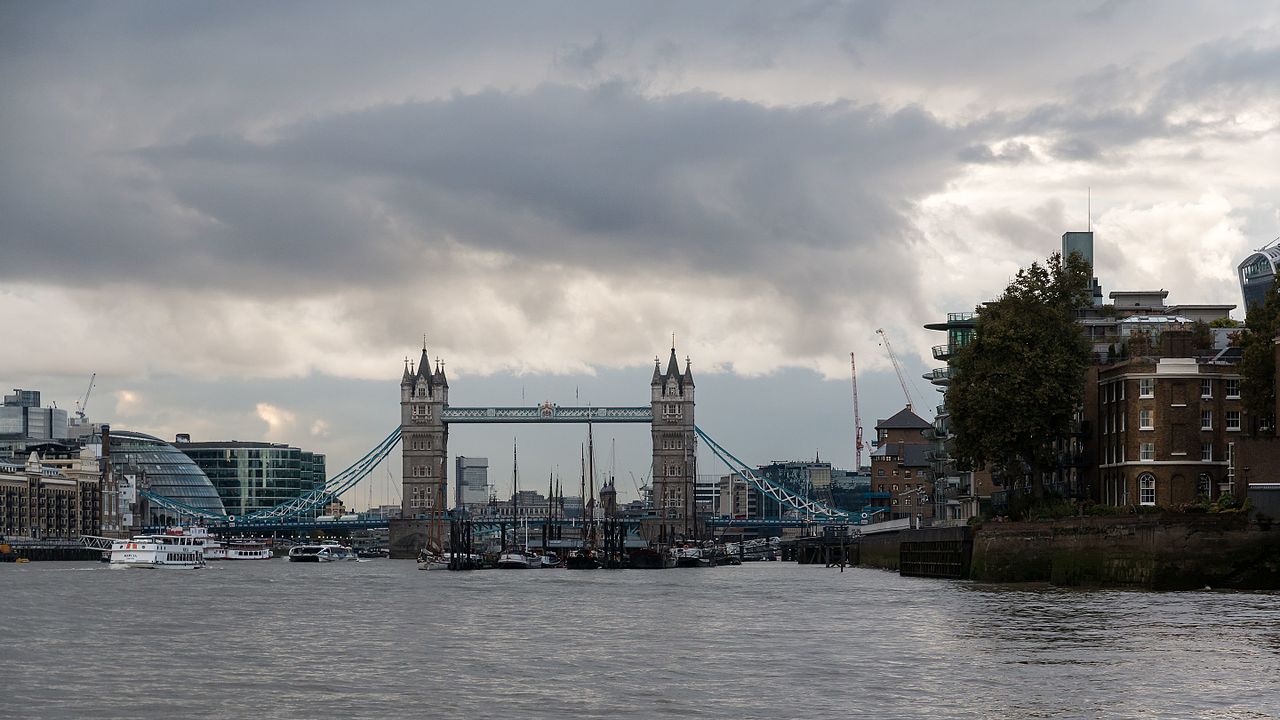
A commuter boat rather than a cruise, and the most pleasant way to reach Greenwich, Canary Wharf or the Tower.
Typical cost
About £9–11 a journey; discounted with contactless and Oyster
Santander Cycles and walking
Docking stations across Zone 1. Central London is compact enough that walking beats the Tube for anything under 20 minutes.
Typical cost
£1.65 per 30-minute hire
Passes and tickets: what's actually worth buying
Do not buy a Travelcard or a Visitor Oyster in advance. Contactless bank cards and phones apply the same daily and Monday-to-Sunday weekly caps automatically, which means you can never overpay by tapping. Tap the same card on every journey so the cap works, and tap out on the Tube and rail — buses only require tapping in. Children under 11 travel free with a fare-paying adult.
Local transport tips for London
Stand on the right of escalators; walking on the left is enforced socially rather than by signage but taken seriously.
Avoid the Tube between 08:00 and 09:30 and 17:00 and 18:30 if you can — buses and walking are more pleasant than a rush-hour Central line.
Check for planned weekend engineering works before relying on a single line; Transport for London publishes closures a week ahead.
The Night Tube runs on the Victoria, Central, Jubilee, Northern and Piccadilly lines on Friday and Saturday nights, which saves a great deal on late taxis.
A car in central London is a liability — the Congestion Charge and ULEZ apply daily and parking is scarce and expensive.
Arriving from the airport
Heathrow (LHR)
Elizabeth line to central London in ~30 min (£12.80); Heathrow Express in ~15 min (£25).
Gatwick (LGW)
Gatwick Express to Victoria in ~30 min (£22.80); Thameslink to St Pancras ~45 min.
Stansted (STN)
Stansted Express to Liverpool Street in ~50 min (£22).
Luton (LTN)
Luton DART + Thameslink to St Pancras in ~45 min.
London City (LCY)
DLR to Bank/Canary Wharf in ~25 min — best for business travellers.
Do you need a rental car?
Inside London a car is usually a liability — parking and traffic cost more than transit. A rental earns its keep for day trips and regional drives, so compare rates only for the days you actually leave the city.
Ready to book your London trip?
Everything in this guide is bookable through Marhaba's licensed partners.