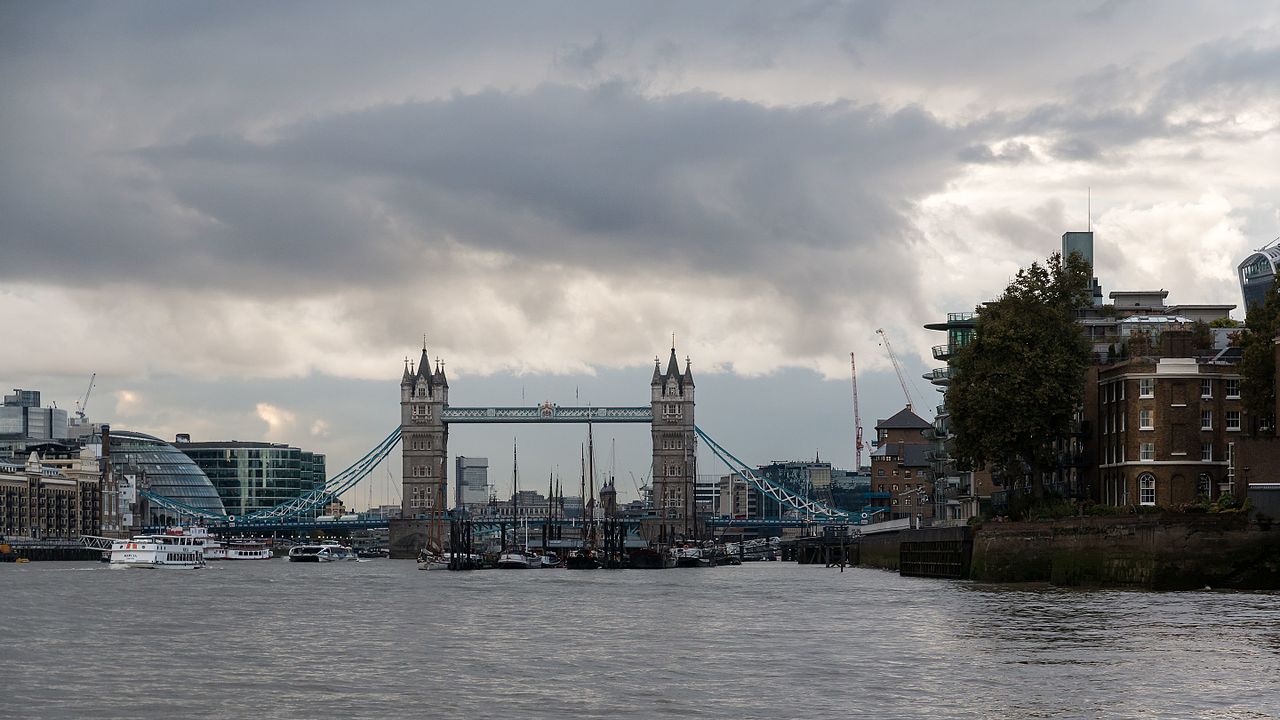
Destination guide · London
London Travel Guide: Where to Stay, What to Do and When to Go
A practical London travel guide: best neighbourhoods to stay in, top things to do, getting around, food, costs and the best time to visit.
Updated 2026-07-01

Why visit London
London packs world-class museums, food from every continent and centuries of history into a network of walkable neighbourhoods.
London is a mosaic of walkable villages linked by the Underground — royal Kensington, theatre-district Covent Garden, riverside Southbank, Georgian Marylebone and design-led Shoreditch. World-class free museums, centuries of history and food from every continent make it Europe's most complete first-time capital.
Walkable villages linked by the Tube; contactless taps in and out with a daily cap.
6 airports; Heathrow → central London on the Elizabeth line in ~30 min for £12.80.
Book West End shows, museum specials and Sunday roasts a week ahead in summer.
Since 2025 all visa-exempt visitors need an ETA (gov.uk/eta) before travel.
Currency £; Type G 230V plugs; tap water is safe to drink.
Best time to visit London
May–September delivers long days, rooftop bars and open-air festivals (14–24°C). December brings Christmas markets, ice-rinks and Oxford Street lights. November–February is quietest with the best hotel rates; expect rain year-round and pack layers.
Where to stay in London
Choosing the right neighbourhood matters more than the hotel itself in London. These are the areas travelers book most.
Covent Garden / Soho
Theatres, restaurants and central sightseeing on your doorstep.
Kensington / Chelsea
Museums, Hyde Park and elegant townhouse hotels — great for families.
Mayfair / Marylebone
Grande-dame hotels, Michelin dining and boutique shopping.
Shoreditch / Hoxton
Design hotels, street art, cocktail bars and independent dining.
Southbank
Riverside walks with Thames-facing rooms near Tate Modern and the London Eye.
Top things to do in London
British Museum
Free entry; visit late-opening Fridays for a quieter experience.
Tower of London
Book online; Yeoman Warder tours are included.
Westminster & Big Ben
Pair with a walk across Westminster Bridge to the London Eye.
West End theatre
Same-day tickets available at the TKTS booth in Leicester Square.
Getting around London
Contactless payment (any card or phone) taps in and out on the Tube, Overground, DLR, buses and trams with a daily fare cap — no ticket needed. The Elizabeth line reaches Heathrow in ~30 min; Gatwick Express and Stansted Express cover the other hubs.
London Underground
11 lines running ~05:00–00:30; Night Tube on Fri/Sat on core lines.
Overground / Elizabeth line
Fast east-west and outer-London coverage; airport rail.
Buses
Extensive 24/7 network; contactless only — no cash on buses.
Black cabs & rideshare
Regulated black cabs, Uber, Bolt and FREE NOW; congestion charge applies in the centre.
What to eat in London
Sunday roast
Beef, lamb or pork with Yorkshire pudding and gravy — book gastropubs a week ahead.
Fish and chips
Best at proper chippies (Poppies, Golden Union) not chain pubs.
Indian curry
Brick Lane and Tooting are the classic curry corridors; try Dishoom for polished Bombay café food.
Afternoon tea
Grand hotels (The Ritz, Claridge's) formalise it; Sketch is the design-led option.
Practical tips for London
Tap in and out with any contactless card — a daily cap applies automatically.
Stand on the right on Tube escalators.
Museums are free — donations welcome; special exhibitions still ticketed.
How long to stay and what it costs
Most travelers spend 4–7 days in London. Compare live hotel rates for your exact dates before fixing the length of your trip — shoulder-season nights in London are often materially cheaper than peak weeks.
What London actually costs, and when to come
London is expensive for accommodation and cheap for culture. Free national museums, free parks and a £1.75 flat bus fare offset hotel rates that rarely dip below £150 for anything central and comfortable. A realistic daily budget outside the hotel is £60–90 per person covering transport, meals and one paid attraction; theatre tickets (£30–120) and the Tower of London are the outliers that push it up.
Season matters more than weather. September and October are the priciest months because of the conference calendar, and December is busy with Christmas markets and shopping. January and February offer the lowest rates of the year, at the cost of daylight ending around 16:00. May, June and early September give the best combination of long evenings and manageable crowds, and note that many attractions run reduced hours on Sundays and close entirely on 25 December, when the Tube does not run at all.
London FAQs
Do I need a visa for London?
Most EU, US, Canadian, Australian, Japanese and GCC visitors enter visa-free for up to 6 months. Since 2025 all visa-exempt visitors need an ETA (Electronic Travel Authorisation) before travel — apply at gov.uk/eta for £16.
Which airport is easiest for central London?
Heathrow (LHR) via the Elizabeth line (~30 min, £12.80) or Heathrow Express (~15 min, £25) is fastest. Gatwick uses Gatwick Express to Victoria (~30 min); Stansted and Luton are cheaper long-haul but 45–60 min out.
How much does an airport transfer cost?
Elizabeth line from Heathrow to central London is £12.80 contactless. Black cabs from LHR run £60–90; Uber/Bolt £45–70. Gatwick Express is £22.80 (single). Nightbuses (N9 from Heathrow) run under £2 on the daily cap.
Do I need cash in London?
Very rarely — contactless cards and mobile pay are accepted almost everywhere including buses (which no longer take cash at all). Keep £20 for tips and occasional market stalls.
How many days do I need in London?
Three full days cover the classic Westminster/British Museum/Tower loop; five let you add South Kensington museums, a West End show and a market Sunday; seven allow day trips to Oxford, Bath, Windsor or Brighton.
Is London good for families?
Excellent — the Natural History Museum, Science Museum and V&A are free, Tower of London Yeoman tours engage kids, and Thames Clippers, Warner Bros. Studio Tour (Harry Potter) and the London Eye are easy family half-days.
What's the best area for a luxury stay?
Mayfair (Claridge's, The Connaught, The Dorchester), Belgravia (The Berkeley, The Lanesborough) and Knightsbridge (Bulgari, Mandarin Oriental) cluster the palace-grade hotels with private members' clubs and spa suites.
Is London safe for tourists?
Yes, with standard big-city awareness. Watch phones on the Tube (particularly Central and Piccadilly lines), avoid unlicensed minicabs, and use official black cabs or licensed rideshares at night. Central boroughs are well-lit and busy late.
Ready to book your London trip?
Everything in this guide is bookable through Marhaba's licensed partners.