Destination guide · Rome
Rome Travel Guide: Where to Stay, What to Do and When to Go
A practical Rome travel guide: best neighbourhoods to stay in, top things to do, getting around, food, costs and the best time to visit.
Updated 2026-07-01
Why visit Rome
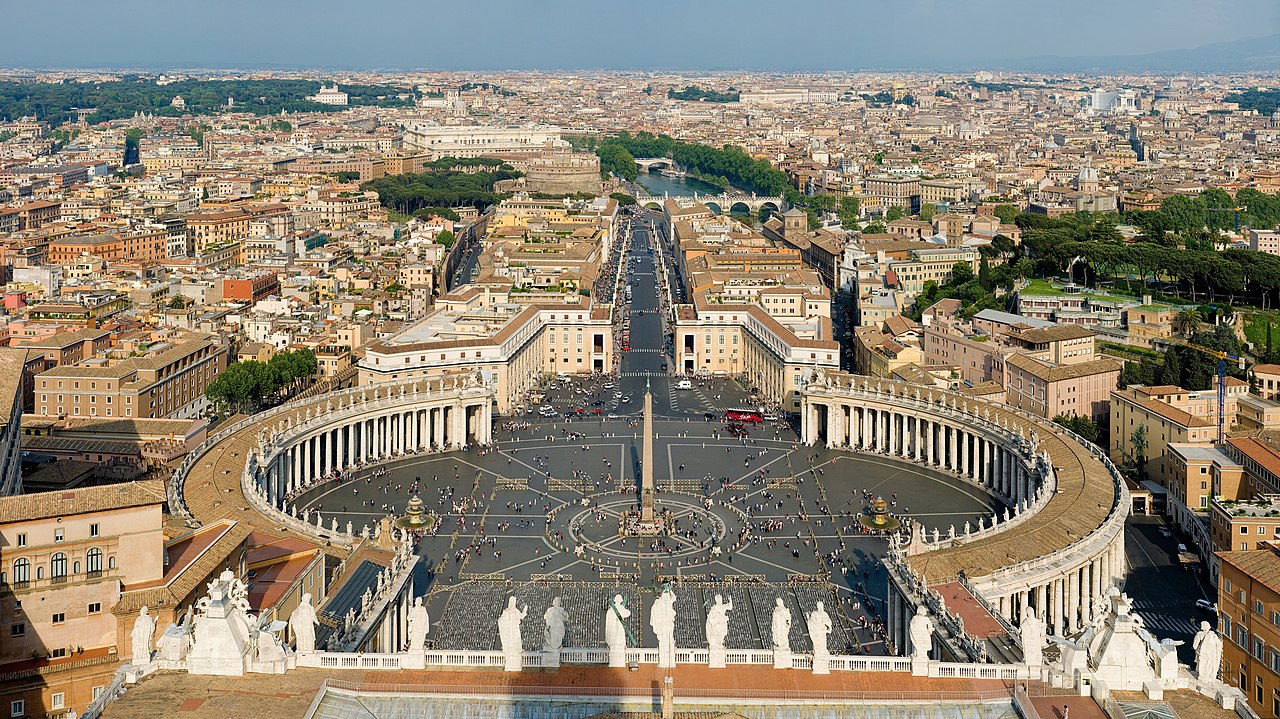
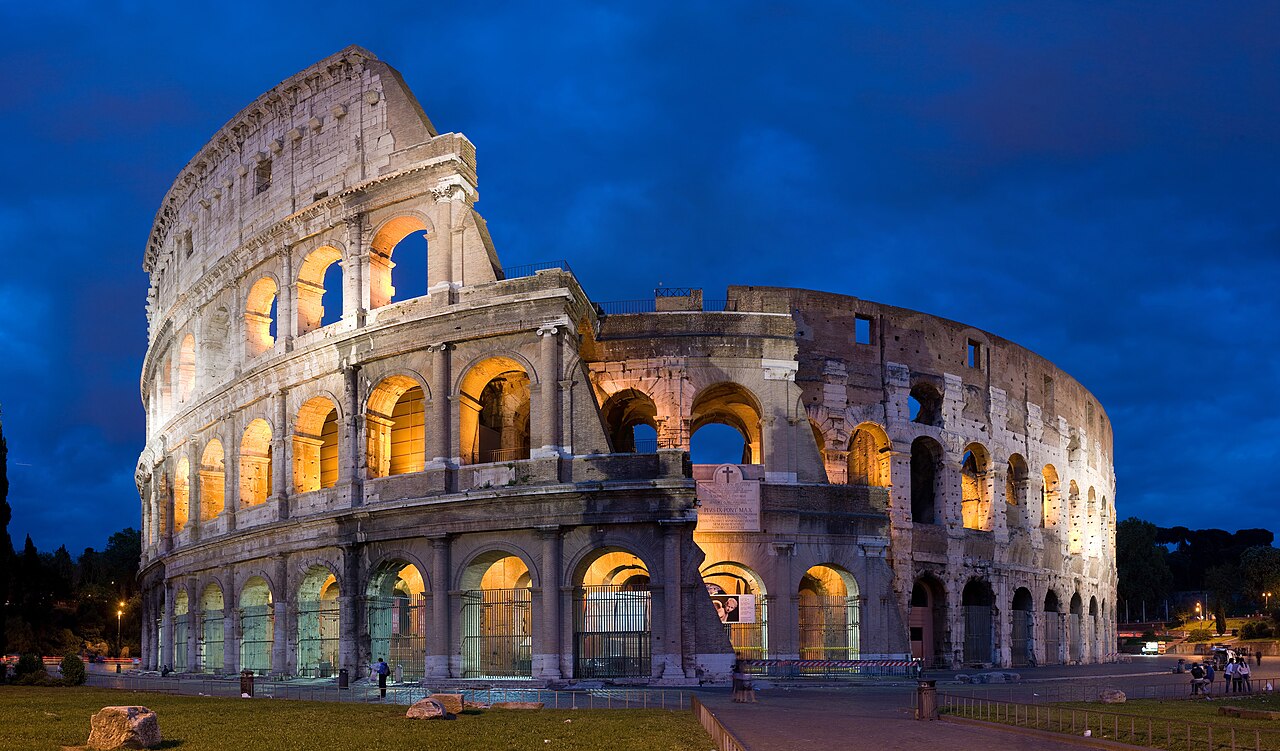
Rome layers three thousand years of history into a compact centre where the Colosseum, Pantheon and Vatican are all within an easy walk of each other.
Rome is best explored on foot — most iconic sights sit within a walkable historic core. Boutique hotels cluster around the Pantheon, Piazza Navona and Trastevere; grander palazzo stays line the Via Veneto and near the Spanish Steps.
Compact historic core — most icons are within a 30-minute walk of each other.
Pre-book the Vatican, Colosseum and Borghese Gallery for skip-the-line access.
April–June and September–October are the comfortable shoulder seasons.
Cash still useful for small trattorias and tips; contactless widely accepted.
Currency €; Type C/F/L 230V plugs; tap water is safe (refill at nasoni fountains).
Best time to visit Rome
April–June and September–October offer warm days and manageable crowds. July–August are hot and busy; November–February are quieter with occasional rain.
Where to stay in Rome
Choosing the right neighbourhood matters more than the hotel itself in Rome. These are the areas travelers book most.
Centro Storico
Steps from the Pantheon and Piazza Navona.
Trastevere
Cobblestone lanes, trattorias and evening life.
Monti
Boutique hotels near the Colosseum and Roman Forum.
Prati / Vatican
Quieter residential streets close to St Peter's.
Top things to do in Rome
Colosseum & Roman Forum
Book combined timed tickets weeks ahead in peak season.
Vatican Museums & Sistine Chapel
Reserve early morning or Friday-night slots.
Pantheon
Free entry; go early to have the dome to yourself.
Trevi Fountain
Best at dawn or after 10pm to avoid crowds.
Getting around Rome
Central Rome is walkable; the Metro has two main lines linking the Colosseum, Termini and the Vatican. Trains from Fiumicino reach Termini in about 30 minutes.
Walking
The centro storico is best explored on foot — cobblestones need comfortable shoes.
Metro
Two useful lines (A and B) linking Termini, the Colosseum and the Vatican.
Bus & tram
ATAC network covers gaps between Metro stops; can be slow in traffic.
Taxi
Use official white cabs from ranks; airport taxis have fixed municipal fares.
What to eat in Rome
Cacio e pepe
Roman pasta with pecorino and cracked black pepper.
Carbonara
Guanciale, egg yolk, pecorino — no cream, ever.
Supplì
Fried rice croquette with mozzarella heart; classic street snack.
Practical tips for Rome
Restaurants near major sights are tourist traps — walk two streets away for better food.
Sunday afternoon buses run less frequently; plan return trips.
Cover shoulders and knees for St Peter's and Vatican Museums.
How long to stay and what it costs
Most travelers spend 3–5 days in Rome. Compare live hotel rates for your exact dates before fixing the length of your trip — shoulder-season nights in Rome are often materially cheaper than peak weeks.
What Rome actually costs in 2026
A realistic mid-range day in Rome runs about €150–220 per person: €110–170 for a central 3- or 4-star room, €15–25 for lunch at a neighbourhood trattoria, €30–45 for dinner with wine, and under €8 of transport. Budget travelers can hold the day near €70–100 by staying in Testaccio or near Termini, eating pizza al taglio for lunch and using free churches and piazzas over paid museums.
The costs that surprise visitors are small and repeated: sitting at a table rather than standing at the bar for coffee or a pastry roughly doubles the price, bread and cover charges (pane e coperto) of €1–3 per person are standard and non-negotiable at most restaurants, and the city tax of a few euros per person per night is almost always collected in cash on arrival.
Mistakes first-time visitors make
The most common is treating the Vatican and the Colosseum as something you can queue for on the day — both routinely sell out timed slots during peak season, and walk-up queues can run over two hours. A second is underestimating distances: Rome's centre looks compact on a map, but cobblestones, hills in Monti and Trastevere, and August heat make the same kilometre feel much longer than in a flatter city. A third is assuming the metro reaches everywhere; large parts of the historic centre and Trastevere are bus- or foot-only, and travelers relying purely on a metro map end up walking far more than expected regardless.
When to visit Rome
April–May and late September–October offer the best balance of comfortable temperatures and manageable crowds. July and August are hot enough (often 34–38°C) to reshape a day around early mornings and late evenings, though Ferragosto week in mid-August empties the city of residents even as tourist numbers stay high. Winter is mild by northern European standards and the cheapest time to visit, aside from the Christmas and New Year period around the Vatican.
Rome FAQs
Do I need to book the Vatican and Colosseum in advance?
Yes — timed tickets sell out days ahead in peak season, and pre-booking skips the long walk-up queues that can top two hours.
Is tap water safe to drink in Rome?
Yes — Rome's nasoni public fountains provide free, safe drinking water throughout the city. Bring a refillable bottle.
How do I get from FCO airport to central Rome?
The Leonardo Express train runs non-stop to Termini in about 32 minutes for €14. Official flat-fare taxis are €55 to the Aurelian Walls.
How many days do I need in Rome?
Three full days cover the essentials; four to five let you add a Vatican deep-dive and a day trip to Tivoli, Ostia Antica or Naples.
Is Rome family-friendly?
Yes — gladiator-guided Colosseum tours, gelato stops, Villa Borghese bike rides and the Time Elevator experience break up sightseeing for children.
What's the best area for a luxury stay?
Via Veneto and the Spanish Steps concentrate the palazzo hotels; boutique properties near Piazza di Spagna and Piazza Navona offer quieter luxury.
Can I visit Rome on a budget?
Neighbourhood trattorias, free entry to the Pantheon and most churches, and the €7 Roma Pass on transit keep costs manageable.
Is Rome safe for tourists?
Generally very safe. Watch for pickpockets on crowded buses (especially the 64 to the Vatican) and around Termini station; ignore rose-sellers and 'petition' scams at major sights.
Ready to book your Rome trip?
Everything in this guide is bookable through Marhaba's licensed partners.