Where to stay · Istanbul
Best Areas to Stay in Istanbul
Where to stay in Istanbul: the best neighbourhoods compared for first-timers, families, luxury and budget travelers, with live hotel rates.
Updated 2026-07-01

Picking the right base in Istanbul
Istanbul spans two continents across the Bosphorus, and that single fact should drive where you sleep. The European side holds almost every headline sight — the old city peninsula, Beyoğlu's nightlife, Beşiktaş's business energy — while the Asian side, mainly Kadıköy, offers a calmer, more residential base a short ferry ride away. Traffic between the two is genuinely slow, so decide which side you want to wake up on before you decide which hotel.
Trams, metros and ferries all take the Istanbulkart. Ferries across the Bosphorus are the best-value sightseeing in the city. Istanbul Airport (IST) connects to the centre by metro or airport shuttle in about an hour.
Sultanahmet — Old City
The historic peninsula packs the Byzantine and Ottoman monuments into a walkable half-day radius, but the area empties out once the tour groups leave and dinner options thin quickly after 22:00.
Best for
First-time visitors focused on the Hagia Sophia, Blue Mosque and Topkapı Palace
Price positioning
Typically €70–150 a night for a comfortable 3- or 4-star; boutique Ottoman-house conversions often €130–220
Why stay here
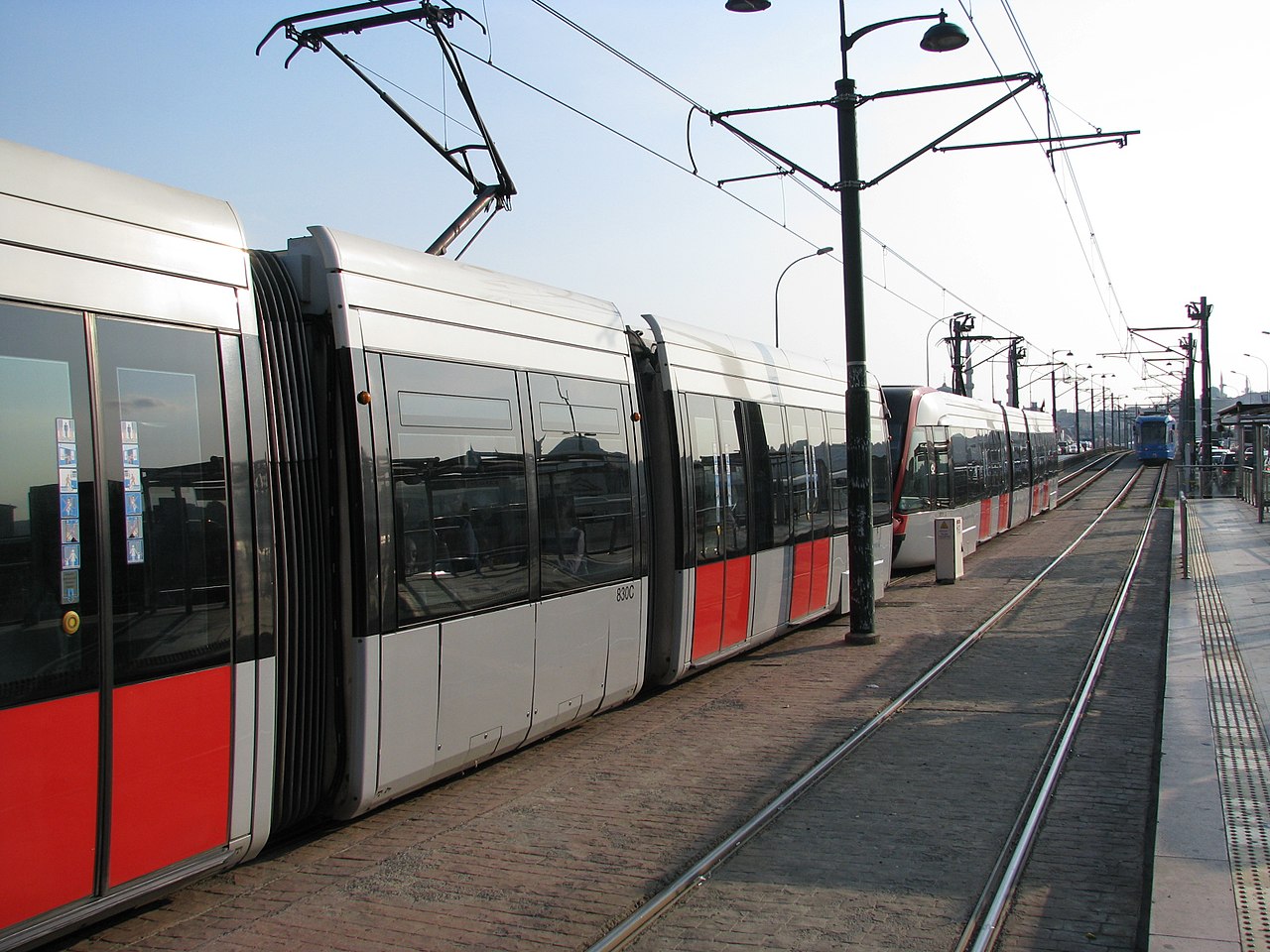
Walk to Hagia Sophia, the Blue Mosque, Topkapı and the Basilica Cistern. Many hotels occupy restored Ottoman townhouses with real character. Tram T1 runs the length of the district.
Trade-offs
Feels sleepy and tourist-only after dark. Restaurants directly around the monuments are overpriced for the quality. Hilly cobbled streets are hard with heavy luggage.
Getting around
Tram T1 connects Sultanahmet to Eminönü, Karaköy and Kabataş; it is also the line that reaches the Sirkeci ferry piers.
Hotels you'll find here
Restored Ottoman mansion hotels near the Hippodrome, mid-range 3-stars around Akbıyık Caddesi, and a handful of rooftop-terrace boutiques with Bosphorus glimpses.
Beyoğlu — Istiklal Caddesi and Taksim
The modern heart of the city, built around the pedestrian mile of Istiklal Caddesi running down to Tünel and Karaköy. It is loud, dense and genuinely lived-in rather than staged for visitors.
Best for
Travelers who want nightlife, restaurants and a central base for both sides of the city
Price positioning
Mid-range hotels around €90–180; design properties on the side streets €160–260
Why stay here
Best concentration of bars, meyhanes and live music in the city. Taksim Square is a hub for buses, the M2 metro and the funicular. Walkable downhill to Galata and Karaköy.
Trade-offs
Street noise runs late, especially on Istiklal itself. Pickpocketing risk is higher in the crowded pedestrian stretch. Occasional political demonstrations close Taksim Square with little notice.
Getting around
M2 metro from Taksim reaches Şişhane and Vezneciler; the historic Tünel funicular drops down to Karaköy in under two minutes.
Hotels you'll find here
International chain hotels near Taksim Square, independent boutiques on the backstreets of Cihangir and Asmalımescit.
Karaköy
A former shipping and banking district turned into Istanbul's most interesting food and gallery neighbourhood, with the Galata Tower rising directly above it.
Best for
Design-conscious travelers, foodies and anyone who wants Bosphorus views without Sultanahmet prices
Price positioning
Boutique waterfront hotels commonly €150–300; smaller design hotels around €100–170
Why stay here
Genuine Bosphorus and Golden Horn views from rooftop bars and hotels. Excellent modern Turkish restaurants and specialty coffee. Ferry piers to the Asian side and up the Bosphorus are on the doorstep.
Trade-offs
Steep climb up to Galata Tower and Beyoğlu. Fewer budget options than Sultanahmet. Cruise-ship days bring a sharp crowd spike at the ferry terminal.
Getting around
Tünel funicular and tram T1 both stop here; the Karaköy ferry pier serves Kadıköy and Üsküdar on the Asian side.
Hotels you'll find here
Converted warehouse and bank buildings turned into design hotels, plus a growing cluster of boutique properties along the waterfront.
Beşiktaş & Nişantaşı
Beşiktaş is a working district with a football stadium and ferry terminal; Nişantaşı, just uphill, is Istanbul's answer to a European shopping quarter with tree-lined streets and quiet evenings.
Best for
Business travelers and repeat visitors who want a residential, upscale base
Price positioning
€100–220 for business-grade hotels; Nişantaşı's fashion district runs higher, €180–350
Why stay here
Dolmabahçe Palace and the Bosphorus waterfront are on foot. Nişantaşı has some of the city's best restaurants outside the tourist zones. Quieter and more residential than Beyoğlu at night.
Trade-offs
Not walkable to Sultanahmet — every trip there needs transport. Matchday traffic around Beşiktaş Stadium can be severe. Fewer budget hotel options.
Getting around
Beşiktaş ferry pier connects directly to Kadıköy and Üsküdar; buses run along the coast road to Kabataş for the funicular into Taksim.
Hotels you'll find here
Business hotels near the ferry terminal, boutique fashion-district properties in Nişantaşı, and a few palace-adjacent luxury addresses.
Kadıköy — Asian side
A lively, largely non-touristic district reached by a 20-minute ferry from Eminönü or Karaköy. Market streets, bars and a genuine neighbourhood feel make it popular with longer-stay and repeat visitors, at the cost of a ferry commute to the main sights.
Best for
Longer stays, budget-conscious travelers and anyone who prefers local life to tourist infrastructure
Price positioning
Notably cheaper — comfortable 3-stars around €60–110, design hotels €120–180
Why stay here
Meaningfully cheaper than equivalent European-side hotels. The Tuesday and Friday markets and Moda's café scene are excellent. The ferry crossing itself is one of the best free experiences in the city.
Trade-offs
Every visit to Sultanahmet or Topkapı means a ferry or metro crossing. Ferries stop running late — last sailings are typically before midnight. Fewer English-language services than the tourist-heavy European side.
Getting around
Frequent ferries to Eminönü, Karaköy and Beşiktaş; the M4 metro line runs inland toward Sabiha Gökçen airport.
Hotels you'll find here
Independent boutique hotels around Moda and the market streets, with fewer international chains than the European side.
Şişhane & Galatasaray
The quieter northern end of Istiklal Caddesi, close enough to walk everywhere in Beyoğlu but a few streets back from the loudest nightlife strip.
Best for
Travelers who want Beyoğlu's energy with slightly more calm
Price positioning
€90–170 for well-placed mid-range and boutique hotels
Why stay here
Direct M2 metro access at Şişhane station. Short walk to both Taksim and Galata Tower. Slightly calmer than Taksim Square itself at night.
Trade-offs
Still within Beyoğlu's general noise footprint. Steep side streets down toward Karaköy. Limited parking if arriving by car.
Getting around
M2 metro at Şişhane connects to Vezneciler (for the old city) and Taksim in a few minutes.
Hotels you'll find here
Mid-range chain and independent hotels clustered around Meşrutiyet Caddesi.
Which area suits which traveler
Sultanahmet
First-time visitors focused on the Hagia Sophia, Blue Mosque and Topkapı Palace
Beyoğlu
Travelers who want nightlife, restaurants and a central base for both sides of the city
Karaköy
Design-conscious travelers, foodies and anyone who wants Bosphorus views without Sultanahmet prices
Beşiktaş & Nişantaşı
Business travelers and repeat visitors who want a residential, upscale base
Kadıköy
Longer stays, budget-conscious travelers and anyone who prefers local life to tourist infrastructure
Şişhane & Galatasaray
Travelers who want Beyoğlu's energy with slightly more calm
Families
Ferries, Miniatürk and the aquarium are easy family half-days.
Budget travelers
Ferry sightseeing, street simit and neighbourhood lokantas keep costs low.
What drives hotel prices in Istanbul
Istanbul hotel pricing is quoted in Turkish lira but many properties peg rates informally to euros or dollars given currency volatility, so treat any figure as an approximate planning range rather than a fixed number. Rates rise sharply around Ramadan and Eid holidays, major conference weeks, and the peak May–September season; the shoulder months of April and October offer close to peak sightseeing weather at noticeably lower rates. A tourism accommodation tax is added at checkout in most hotels and is rarely included in the headline rate shown online.
Istanbul FAQs
Should I stay on the European or Asian side of Istanbul?
The European side, specifically Sultanahmet, Beyoğlu or Karaköy, for a first visit — nearly every major sight sits there. Kadıköy on the Asian side suits longer stays or repeat visitors who want lower prices and don't mind a daily ferry crossing.
Is Sultanahmet too touristy to stay in?
It is the most tourist-dense area in the city, but the trade-off is real: nothing beats walking to Hagia Sophia before the coach groups arrive. Pair it with an evening or two in Karaköy or Beyoğlu for contrast.
How far in advance should I book an Istanbul hotel?
Four to six weeks for spring and autumn travel, longer around Ramadan and Eid when domestic travel spikes demand across the whole city.
Ready to book your Istanbul trip?
Everything in this guide is bookable through Marhaba's licensed partners.