
Where to stay · New York
Best Areas to Stay in New York
Where to stay in New York: the best neighbourhoods compared for first-timers, families, luxury and budget travelers, with live hotel rates.
Updated 2026-07-01
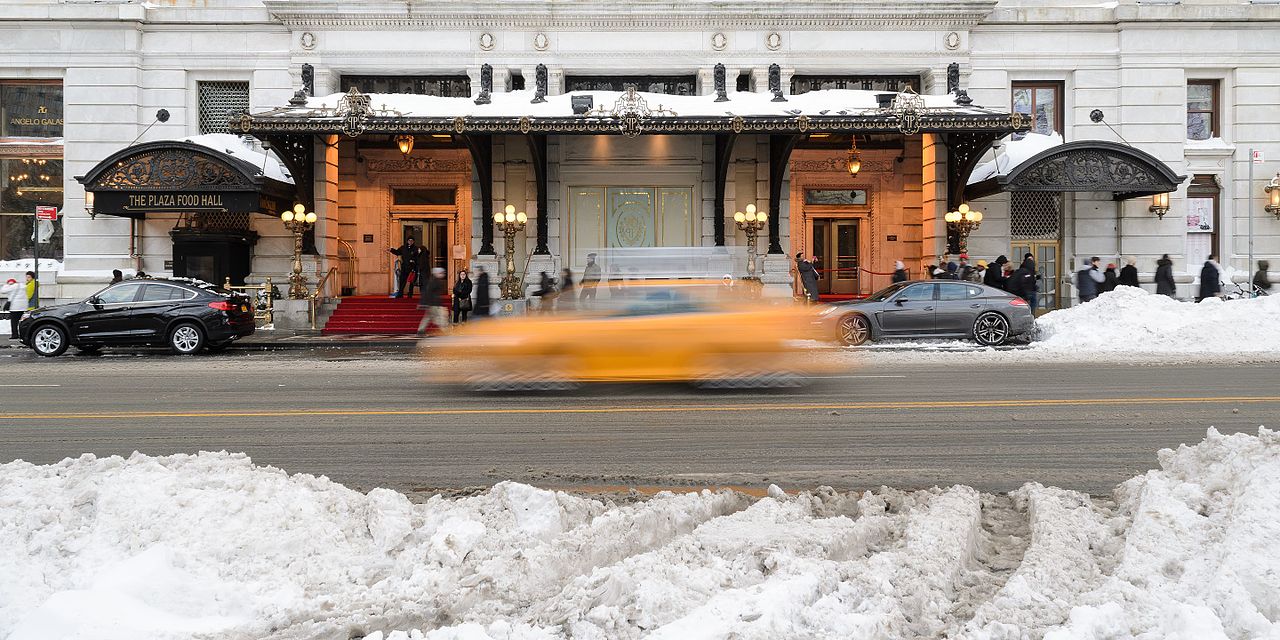
Picking the right base in New York
New York is really five boroughs, but nearly all first-time visitors mean Manhattan when they say 'stay in New York', and that is still the right call for a short trip. The island runs about 21 km north to south and the subway grid makes almost any neighbourhood workable, so the real decision is which slice of Manhattan's character and price tier you want, not how far you are from anything. Brooklyn and Queens have earned a genuine case for repeat visitors chasing better value and a more local feel, at the cost of a longer ride back after a late dinner.
The subway runs 24/7 — buy an OMNY tap or MetroCard. Yellow cabs and rideshare are plentiful. JFK, LGA and EWR each connect to Manhattan by train, express bus or taxi.
Midtown (34th–59th Street)
The densest concentration of hotel rooms in the city, built around Penn Station, Times Square and Grand Central. It is loud, bright and unapologetically touristic, but nothing about a first Broadway trip is easier to arrange from anywhere else.
Best for
First-time visitors who want Times Square, Broadway and Fifth Avenue on foot
Price positioning
Typically $280–500 a night for a comfortable 4-star; reliable mid-range chains often $180–260
Why stay here
Walkable to Times Square, Broadway theatres, Rockefeller Center and Fifth Avenue shopping. Best subway interchange in the city at Times Square-42nd Street. Widest choice of hotel inventory at every price point.
Trade-offs
Times Square itself is relentless — crowds, costumed characters and noise at all hours. Restaurants directly around 42nd Street are priced for foot traffic, not quality. Sidewalks near Penn Station are genuinely unpleasant during rush hour.
Getting around
Subway lines 1, 2, 3, 7, A, C, E, N, Q, R, W and the shuttle all converge around Times Square and Grand Central, putting every borough within reach without a transfer.
Hotels you'll find here
Large-scale chain towers around Times Square, business hotels near Bryant Park and Grand Central, and a handful of design-led boutiques on the Far West Side near Hudson Yards.
Lower Manhattan & Financial District
The oldest part of the city, and since the 2000s a genuine residential neighbourhood with converted office towers now holding apartments and hotels. Weekend rates drop noticeably because the district's daytime population is commuters, not visitors.
Best for
Value-conscious travelers and those prioritising the 9/11 Memorial, Wall Street and the ferries
Price positioning
Often $220–380 for a well-reviewed 4-star, cheaper on weekends when the district empties of office workers
Why stay here
Weekend hotel rates are consistently the lowest in Manhattan for comparable quality. Direct ferry access to the Statue of Liberty, Ellis Island and Governors Island. Quiet at night, with the 9/11 Memorial plaza genuinely peaceful after dark.
Trade-offs
Feels empty and corporate on weekday evenings once offices close. Fewer casual restaurants than uptown or Brooklyn. 20–30 minutes by subway to Midtown and the museums.
Getting around
Lines 1, 2, 3, 4, 5, A, C, J, Z, R and W all serve the district; the Staten Island Ferry and NY Waterway piers are a short walk from most hotels here.
Hotels you'll find here
Converted early-20th-century office towers now running as design hotels, plus reliable business-oriented chains near the World Trade Center transit hub.
SoHo & Tribeca
Cast-iron warehouse architecture repurposed into flagship stores, galleries and some of the most expensive residential real estate in the city. It is compact, photogenic and expensive, with Tribeca noticeably calmer than SoHo's shopping crowds.
Best for
Couples and design-focused travelers who want boutique shopping and quiet cobbled streets
Price positioning
Boutique hotels commonly $350–600; a small supply of loft-style rooms can run higher on weekends
Why stay here
The most architecturally distinct streetscape in downtown Manhattan. Genuinely excellent restaurants without Midtown's tourist pricing. Short walk or single subway ride to the Village, Chinatown and Lower Manhattan.
Trade-offs
Among the highest room rates outside Midtown. SoHo's Broadway strip is a solid wall of shoppers on weekend afternoons. Subway coverage is thinner than in Midtown — more walking to a station.
Getting around
Lines A, C, E at Canal Street and 1 along Varick Street; most of the neighbourhood is a 10–15 minute walk from the nearest station.
Hotels you'll find here
Converted cast-iron loft buildings run as design hotels, plus a small number of members'-club-style properties in Tribeca.
Chelsea & Flatiron
Chelsea's converted warehouses now hold the city's largest gallery district and the elevated High Line park; Flatiron adds the triangular Flatiron Building itself and Madison Square Park. Both sit almost exactly midway between Midtown and the Village.
Best for
Travelers who want the High Line, Chelsea Market and easy access both uptown and down
Price positioning
Typically $260–420 for a solid 4-star; Flatiron boutique options often push higher
Why stay here
The High Line and Chelsea Market are within walking distance of most hotels here. Central position cuts subway time to both uptown museums and downtown nightlife. Madison Square Park gives a genuine green break from the street grid.
Trade-offs
Weekend gallery and market crowds spill onto narrow sidewalks. Fewer late-night dining options than the Village just to the south. Chelsea Market itself is priced closer to an attraction than a neighbourhood lunch spot.
Getting around
Lines 1, 2, 3, A, C, E, F, M, N, R, W and PATH trains to New Jersey all run through the area, making it one of the better-connected bases in the city.
Hotels you'll find here
Mid-size design hotels along Sixth and Seventh Avenues, plus a growing set of boutique properties near the High Line's southern end.
Upper West Side
Broad avenues, pre-war apartment buildings and Central Park and Riverside Park both within reach make this the most livable base for a stay of five nights or more, especially with children.
Best for
Families, museum-focused trips and travelers who want a residential, tree-lined base
Price positioning
Often $200–340 for a comfortable 4-star, among the better value-per-square-foot rates in Manhattan
Why stay here
Direct access to Central Park, the American Museum of Natural History and Lincoln Center. Genuinely residential streets with grocery stores, bakeries and playgrounds. Better room sizes for the price than Midtown or downtown.
Trade-offs
20–30 minutes to Broadway theatres and the downtown nightlife circuit. Fewer late-night restaurant options than downtown neighbourhoods. Quieter evenings, which suits families but disappoints travelers wanting nightlife on the doorstep.
Getting around
Lines 1, 2, 3, B and C run the length of the neighbourhood along Broadway and Central Park West, with express trains cutting Midtown journeys to under 15 minutes.
Hotels you'll find here
Pre-war residential-style hotels near Central Park, family-friendly extended-stay properties, and a handful of boutique options near Lincoln Center.
Williamsburg & Long Island City
Both are single subway stops from Manhattan but feel distinctly like their own places — Williamsburg for its warehouse-turned-bar-and-restaurant scene, Long Island City for new-build towers with some of the best Manhattan skyline views available at any price.
Best for
Repeat visitors, design-conscious travelers and anyone prioritising skyline views over Manhattan proximity
Price positioning
Williamsburg boutique hotels often $220–380; Long Island City runs $180–280 with strong skyline views
Why stay here
Some of the most photographed Manhattan skyline views are from Long Island City's waterfront, not from Manhattan itself. Williamsburg has a genuinely independent food, bar and vintage-shopping scene. Noticeably lower rates than comparable Manhattan hotels.
Trade-offs
Last subway connections back from Manhattan run less frequently after midnight. You lose the ability to walk back to your hotel from most Manhattan sights. Williamsburg's L train has had periodic weekend service changes for maintenance.
Getting around
L train to Williamsburg (Bedford Avenue) and G/7/E/M trains to Long Island City; both are a single stop or a short ride from Manhattan, plus NY Waterway ferries from both waterfronts.
Hotels you'll find here
New-build design hotels with rooftop bars in both neighbourhoods, several with skyline-facing rooms priced well below equivalent Manhattan views.
Which area suits which traveler
Midtown (34th–59th Street)
First-time visitors who want Times Square, Broadway and Fifth Avenue on foot
Lower Manhattan & Financial District
Value-conscious travelers and those prioritising the 9/11 Memorial, Wall Street and the ferries
SoHo & Tribeca
Couples and design-focused travelers who want boutique shopping and quiet cobbled streets
Chelsea & Flatiron
Travelers who want the High Line, Chelsea Market and easy access both uptown and down
Upper West Side
Families, museum-focused trips and travelers who want a residential, tree-lined base
Williamsburg & Long Island City
Repeat visitors, design-conscious travelers and anyone prioritising skyline views over Manhattan proximity
Families
The Natural History Museum, Central Park and the Intrepid keep kids happy for days.
Budget travelers
Pay-what-you-wish museum hours, TKTS Broadway and pizza-slice lunches keep it affordable.
What drives hotel prices in New York
New York hotel taxes stack up more than most cities budget for: expect roughly 14.75% in combined city and state occupancy tax plus a flat $3.50 per room per night, added at checkout rather than shown in the headline rate — factor in an extra $40–70 a night on a typical mid-range room. Unlike many US cities, few Manhattan hotels charge a separate resort fee, but some newer properties with gyms, pools or lounges do add a facility fee of $25–45 a night, so check the fine print before booking on price alone. Rates move with the calendar rather than the weather: Fashion Week, the UN General Assembly in late September and the week around Thanksgiving and the tree lighting all push rates sharply higher, while January and February (outside New Year's) are the cheapest months to book a comparable room.
New York FAQs
Is it better to stay in Manhattan or Brooklyn for a first visit?
Manhattan, for a first trip. It puts Broadway, the major museums and the classic sights within a short subway ride or walk, whereas Brooklyn adds a consistent 20–30 minutes each way that adds up over a short stay.
Which is the best subway-connected area to base yourself in New York?
Midtown or Chelsea. Both sit on multiple express and local lines, so a hotel there keeps every borough within roughly 30 minutes without needing more than one transfer.
Do New York hotels really add extra fees at checkout?
Yes — expect roughly 14.75% combined occupancy tax plus a flat $3.50 per room night on almost every booking, and check separately for a facility fee at newer hotels with gyms or lounges, since that is rarely shown in the advertised rate.
Ready to book your New York trip?
Everything in this guide is bookable through Marhaba's licensed partners.


