
Transportation · Istanbul
How to Get Around Istanbul
Getting around Istanbul: metro, taxis, ride-hailing, passes and airport transfers compared, plus when a rental car is actually worth it.
Updated 2026-07-01
How transport works in Istanbul
Istanbul's public transport runs on a single rechargeable Istanbulkart, valid across trams, metro lines, buses, funiculars and ferries. Given currency volatility, treat all fares below as approximate planning ranges rather than fixed prices, and expect the card and fares to be quoted in Turkish lira. The city's geography — hills, two continents, one strait — means ferries are not a novelty here but genuine commuter transport.
Trams, metros and ferries all take the Istanbulkart. Ferries across the Bosphorus are the best-value sightseeing in the city. Istanbul Airport (IST) connects to the centre by metro or airport shuttle in about an hour.
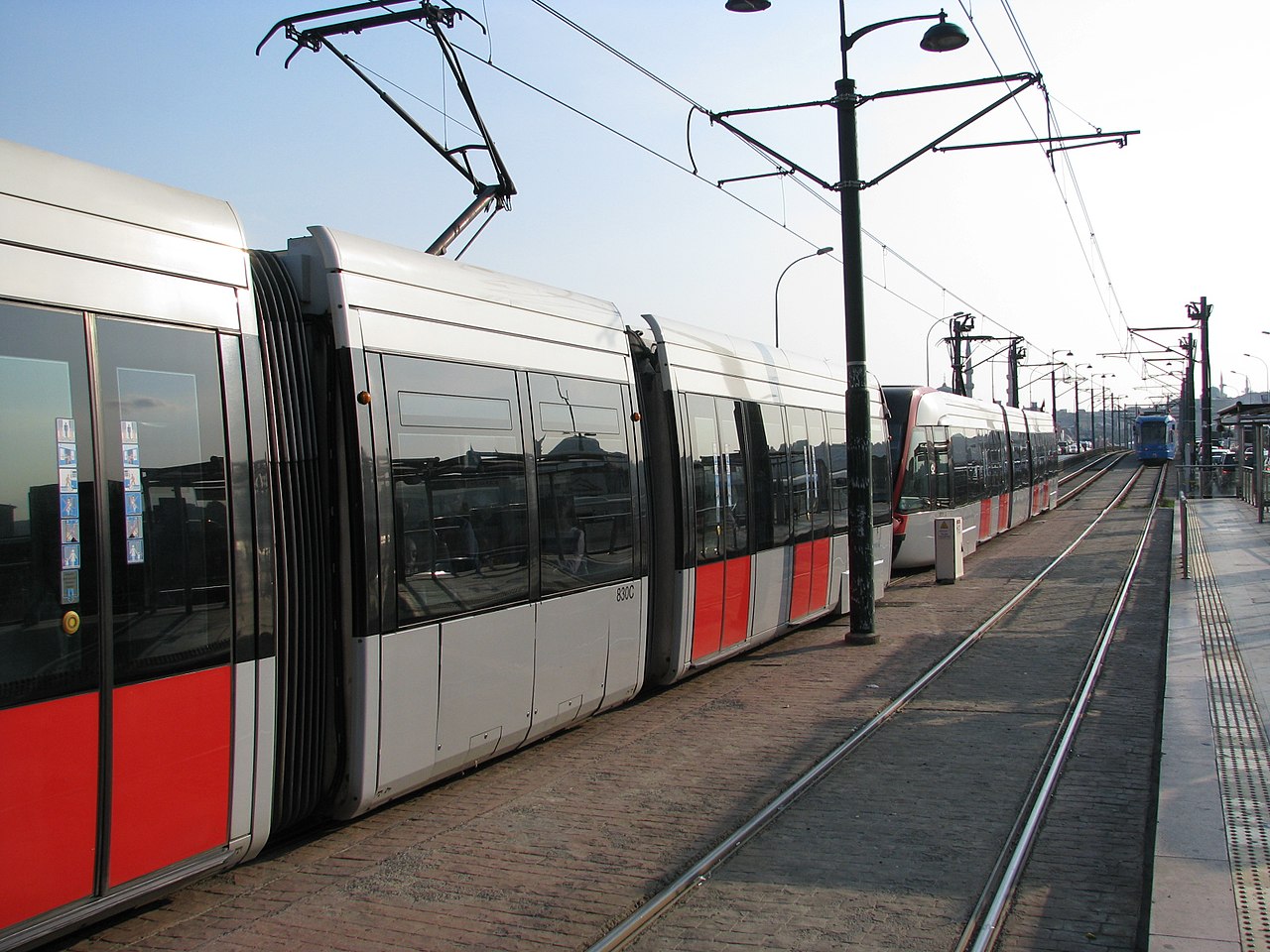
Tram (T1)
Runs from Bağcılar through Sultanahmet, Eminönü and Karaköy to Kabataş — the single most useful line for a first-time visitor, covering nearly every old-city sight.
Typical cost
A low single-digit lira fare per tap, discounted on transfer within a set window
Metro
M2 runs Beyoğlu to Taksim and beyond; M11 connects Istanbul Airport to the wider network; M4 serves the Asian side toward Kadıköy and Sabiha Gökçen.
Typical cost
Same base fare structure as the tram, with transfer discounts
Ferries
Public commuter ferries link the European and Asian sides constantly throughout the day. They double as the best low-cost sightseeing on the water and are far less crowded than tourist cruise boats.
Typical cost
Comparable to the tram fare for short crossings, more for longer Bosphorus routes
Funiculars
The historic Tünel connects Karaköy to Beyoğlu in under two minutes; a separate modern funicular runs Taksim to Kabataş, linking the metro to the ferry piers.
Typical cost
Standard single-tap fare
Bus and Metrobüs
The dedicated-lane Metrobüs crosses the Bosphorus Bridge and is useful for reaching areas the rail network doesn't cover, though it can be crowded at rush hour.
Typical cost
Standard single-tap fare, discounted on transfer
Taxi and ride-hailing
Traffic on the bridges and along the coast roads can make taxis slower than a ferry or tram for the same journey, especially during evening rush hour.
Typical cost
Metered, with a visible starting rate; ask for the meter to be running
Passes and tickets: what's actually worth buying
Buy an Istanbulkart at the airport, a metro station or a kiosk on arrival — it covers every mode and gives a transfer discount within a set time window, which single paper tickets don't. There is no unlimited weekly tourist pass equivalent to some European cities; instead, simply keep the card topped up, since fares are low enough that pay-as-you-go rarely disadvantages a short-stay visitor.
Local transport tips for Istanbul
Buy one Istanbulkart per person — sharing a single card between a group defeats the transfer discount and slows down boarding.
Top up at machines inside stations rather than relying on a single kiosk, since not every corner shop sells credit.
For a Bosphorus crossing, take the public ferry rather than a tourist boat — it's the same water, a fraction of the price, and runs to a proper timetable.
The tram and M2 metro get seriously crowded during the evening commute; if you have flexibility, sightsee at those hours and commute outside them.
Ferries stop for the night earlier than the metro — check the last sailing time before planning a late dinner on the opposite side from your hotel.
Do you need a rental car?
Inside Istanbul a car is usually a liability — parking and traffic cost more than transit. A rental earns its keep for day trips and regional drives, so compare rates only for the days you actually leave the city.
Ready to book your Istanbul trip?
Everything in this guide is bookable through Marhaba's licensed partners.


