Transportation · Rome
How to Get Around Rome
Getting around Rome: metro, taxis, ride-hailing, passes and airport transfers compared, plus when a rental car is actually worth it.
Updated 2026-07-01

How transport works in Rome
Rome's public transport is more limited than its size suggests — only two full metro lines (A and B, meeting at Termini) plus the short Line C, largely because excavation constantly uncovers archaeology that has to be preserved first. Buses and trams fill the gaps and are often the more useful option for the historic centre, which the metro barely touches.
Central Rome is walkable; the Metro has two main lines linking the Colosseum, Termini and the Vatican. Trains from Fiumicino reach Termini in about 30 minutes.
Metro (Lines A, B, C)
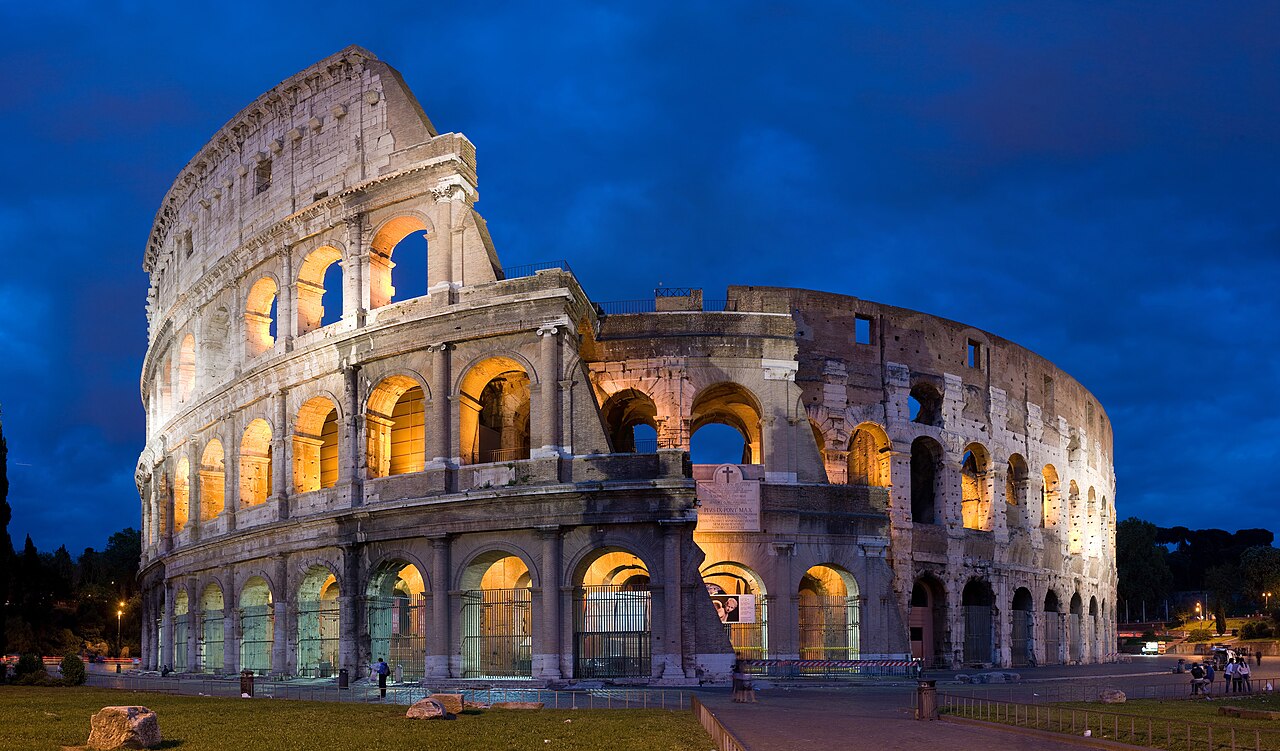
Fast but limited coverage — Line A runs Vatican–Spagna–Termini–San Giovanni, Line B runs Termini–Colosseo–Piramide. Neither reaches the Centro Storico or Trastevere directly.
Typical cost
€1.50 a single ticket, valid 100 minutes and interchangeable with buses and trams
Bus
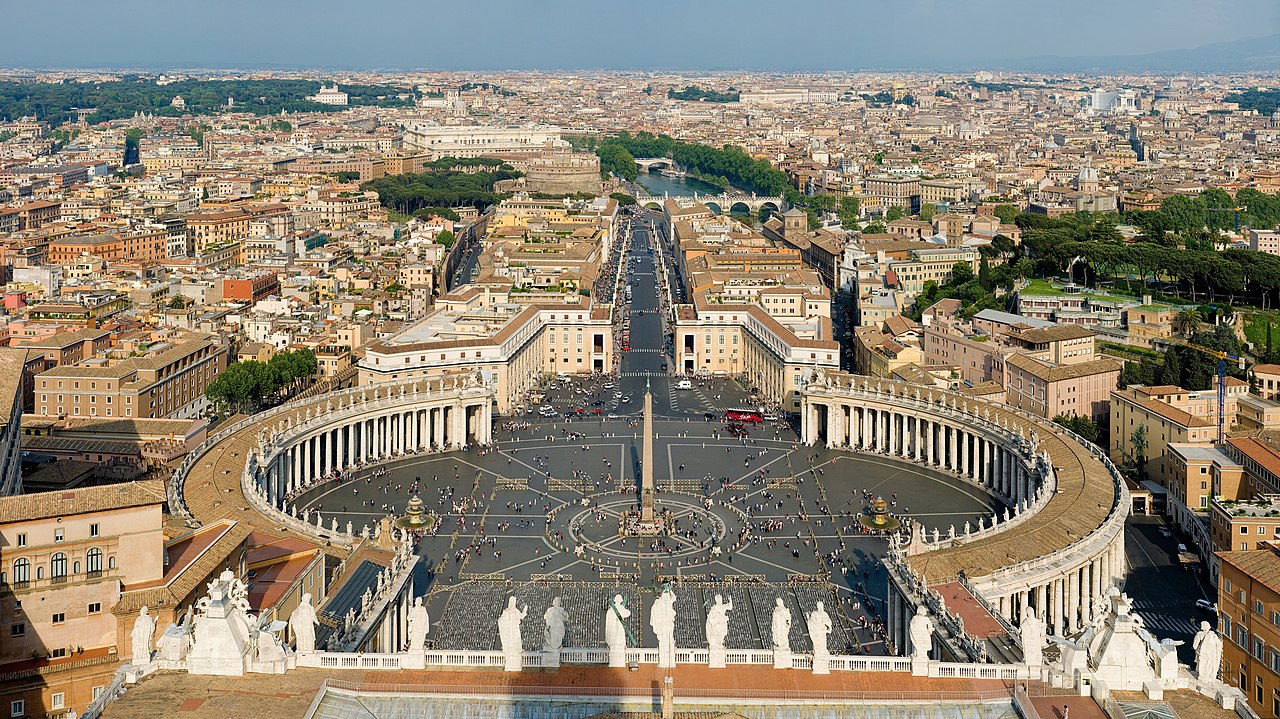
The main way to reach the Centro Storico, Trastevere and the Vatican from areas off the metro grid. Routes 64 and 40 (Termini to St Peter's) and 87 (past the Colosseum and Pantheon) are useful for visitors, but are also known for pickpockets when crowded.
Typical cost
Same €1.50 single ticket as the metro
Tram
A smaller network, most usefully tram 8 linking Trastevere to Largo Argentina near the Centro Storico.
Typical cost
Same €1.50 single ticket
Taxi and ride-hailing
Only use official white taxis from a marked rank or booked by phone/app; unlicensed drivers approaching in tourist areas are a known overcharging risk.
Typical cost
Typically €10–20 for a central crossing, metered with a minimum fare
Walking
The historic centre is compact and largely flat, though cobblestones and occasional steep lanes (Monti, the Aventine, Trastevere backstreets) make comfortable shoes essential.
Typical cost
Free
Passes and tickets: what's actually worth buying
A single ticket (Biglietto Integrato a Tempo, or BIT) covers 100 minutes of unlimited transfers across metro, bus and tram, but only one metro entry. For a short stay, a 24-, 48- or 72-hour Roma pass ticket is usually better value once you take more than four rides a day; these are sold at metro stations, tobacconists and newsstands. Contactless card payment now works directly at metro gates, which is the simplest option if you are not tracking multiple journeys.
Local transport tips for Rome
Validate paper tickets by stamping them at the yellow or green machines on first use — inspectors fine unvalidated tickets even if unused.
The metro closes around 23:30 (00:30 on Friday and Saturday); night buses cover the main routes afterwards.
Buses are frequently crowded and a known pickpocketing spot — keep bags zipped and in front of you.
Many metro stations have limited step-free access; buses are the more reliable option with a pushchair or heavy luggage.
Google Maps and the Moovit app both track real-time Rome bus arrivals reasonably well, which matters given how irregular timetabling can be.
Arriving from the airport
Fiumicino (Leonardo da Vinci) (FCO)
Leonardo Express to Termini in ~32 min; taxi flat fare to the Aurelian Walls.
Ciampino (CIA)
Low-cost hub; shuttle bus to Termini in ~40 min.
Do you need a rental car?
Inside Rome a car is usually a liability — parking and traffic cost more than transit. A rental earns its keep for day trips and regional drives, so compare rates only for the days you actually leave the city.
Ready to book your Rome trip?
Everything in this guide is bookable through Marhaba's licensed partners.