Destination guide · Istanbul
Istanbul Travel Guide: Where to Stay, What to Do and When to Go
A practical Istanbul travel guide: best neighbourhoods to stay in, top things to do, getting around, food, costs and the best time to visit.
Updated 2026-07-01

Why visit Istanbul
Istanbul is the only major city where you can ferry between continents in twenty minutes — Roman, Byzantine and Ottoman history sits within a single walking tour.
Istanbul straddles Europe and Asia across the Bosphorus, layering Byzantine churches, Ottoman mosques and modern galleries into one walkable city. Base yourself in Sultanahmet for the classic monuments, Beyoğlu for nightlife and design hotels, or Kadıköy on the Asian side for local food and a quieter feel.
Best time to visit Istanbul
April–May and September–October bring mild 18–24°C days ideal for walking the old city. Summer is hot and crowded; winter is cool and atmospheric with occasional snow on the mosques.
Where to stay in Istanbul
Choosing the right neighbourhood matters more than the hotel itself in Istanbul. These are the areas travelers book most.
Sultanahmet
Hagia Sophia, Blue Mosque and Topkapı on your doorstep.
Beyoğlu / Galata
Boutique hotels, rooftop bars and İstiklal Avenue.
Beşiktaş / Ortaköy
Bosphorus-front hotels with waterside dining.
Kadıköy
Asian-side neighbourhood with markets and local food.
Top things to do in Istanbul
Hagia Sophia
Sixth-century marvel; enter early to avoid tour groups.
Blue Mosque
Working mosque — visit outside prayer times, dress modestly.
Topkapı Palace
Ottoman-era palace with harem, treasury and Bosphorus views.
Grand Bazaar
Historic covered market — bargaining is expected.
Getting around Istanbul
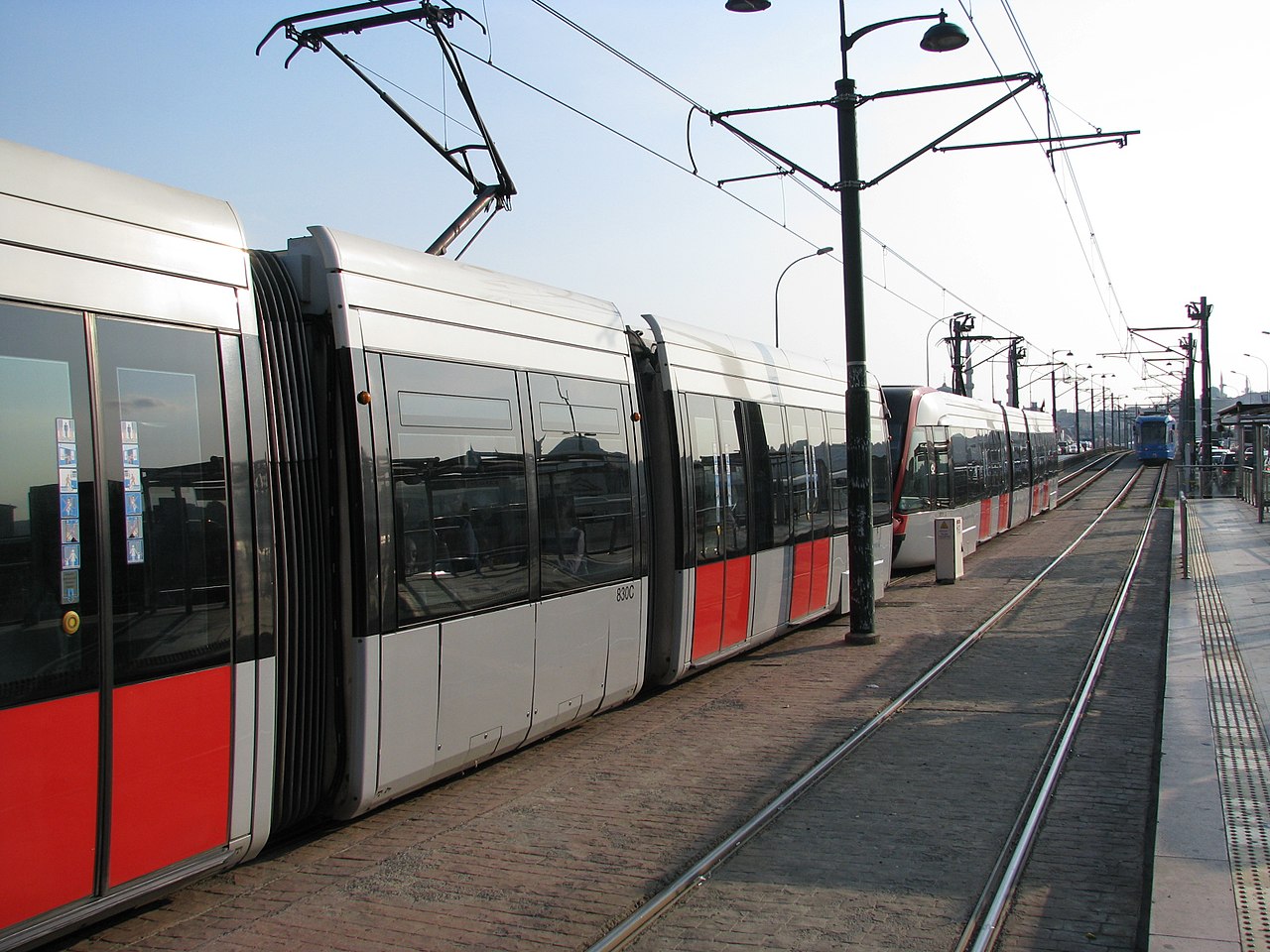
Trams, metros and ferries all take the Istanbulkart. Ferries across the Bosphorus are the best-value sightseeing in the city. Istanbul Airport (IST) connects to the centre by metro or airport shuttle in about an hour.
Practical tips for Istanbul
Get an Istanbulkart from any tram stop — it works on trams, metro, ferries and buses.
Take at least one ferry across the Bosphorus for the best-value sightseeing.
Restaurants add a service charge; small extra tip is customary.
How long to stay and what it costs
Compare live hotel rates for your exact dates before fixing the length of your trip — shoulder-season nights in Istanbul are often materially cheaper than peak weeks.
Ferry culture on the Bosphorus
The ferries that cross the Bosphorus and run up the strait toward the Black Sea are not a tourist add-on in Istanbul — they are how a large share of the city commutes, and that makes them one of the best-value experiences available to a visitor. A short hop between Karaköy and Kadıköy costs the same low tap-in fare as a tram ride, yet delivers the same waterfront views as a paid sightseeing cruise.
For a longer trip, the public long-route ferry from Eminönü toward Anadolu Kavağı passes Dolmabahçe Palace, the two Bosphorus bridges, the fortresses of Rumeli Hisarı and Anadolu Hisarı, and a run of grand wooden yalı mansions along both shores. It runs on a set daily schedule rather than continuously, so check departure times in advance if a specific sailing matters to your day.
Museum pass logic and mosque-visiting etiquette
The Museum Pass Istanbul bundles entry to Topkapı Palace, the Basilica Cistern and a number of smaller paid museums, and it pays for itself once you're visiting roughly three or more of the included sites. It is worth stressing what it does not cover: Hagia Sophia and the Blue Mosque are active mosques with free entry, not part of the paid museum network, and neither participates in the pass.
Mosque visits require modest dress — shoulders and knees covered for everyone, and a headscarf for women, usually available to borrow at the entrance if you arrive without one. Shoes come off at the door. All working mosques close briefly to non-worshippers five times a day for prayer, and the midday Friday prayer closes the busiest mosques for a longer stretch, so build a buffer into any tightly timed itinerary.
European side versus Asian side: the real trade-off
Nearly every headline sight in Istanbul — Hagia Sophia, the Blue Mosque, Topkapı, the Grand Bazaar, Beyoğlu's nightlife — sits on the European side, which is why most first-time visitors base themselves there without a second thought. The trade-off is price and atmosphere: European-side hotels in the tourist core cost more and can feel staged compared with the residential, market-driven energy of Kadıköy and Moda across the water.
The practical middle ground many repeat visitors land on is basing themselves on the European side for the first stay, then giving the Asian side at least a half day rather than skipping it entirely. The ferry crossing itself is short, cheap and scenic enough that visiting Kadıköy never feels like a detour — it feels like part of the main event.
Istanbul FAQs
Is Istanbul safe for tourists?
Yes — standard big-city awareness applies, particularly in crowded tram stops and around İstiklal.
How many days do I need?
Three full days cover the main monuments and a Bosphorus cruise; add two more for the Princes' Islands or a Cappadocia side trip.
Do I need lira in cash?
Cards work almost everywhere; keep small lira for tea houses, ferries and tips.
Ready to book your Istanbul trip?
Everything in this guide is bookable through Marhaba's licensed partners.