Itinerary · Rome
Rome 3-Day Itinerary
A realistic 3-day Rome itinerary: what to see each day, where to stay, how to move between areas and when to go.
Updated 2026-07-01
How this 3-day Rome plan works
Three days in Rome works by splitting cleanly between ancient Rome, the Vatican and the Baroque centre, rather than trying to see all three every day. This plan puts the Colosseum and Forum first while you have energy for uneven ground, the Vatican second, and the piazzas and Trastevere last for an easier final day.
Ancient Rome essentials
Where to base yourself for this plan
Monti or the Centro Storico both work well — Monti gives easier access to day one, the Centro Storico to day three.
Day 1: Ancient Rome
Focus: Colosseum, Forum, Palatine
Morning
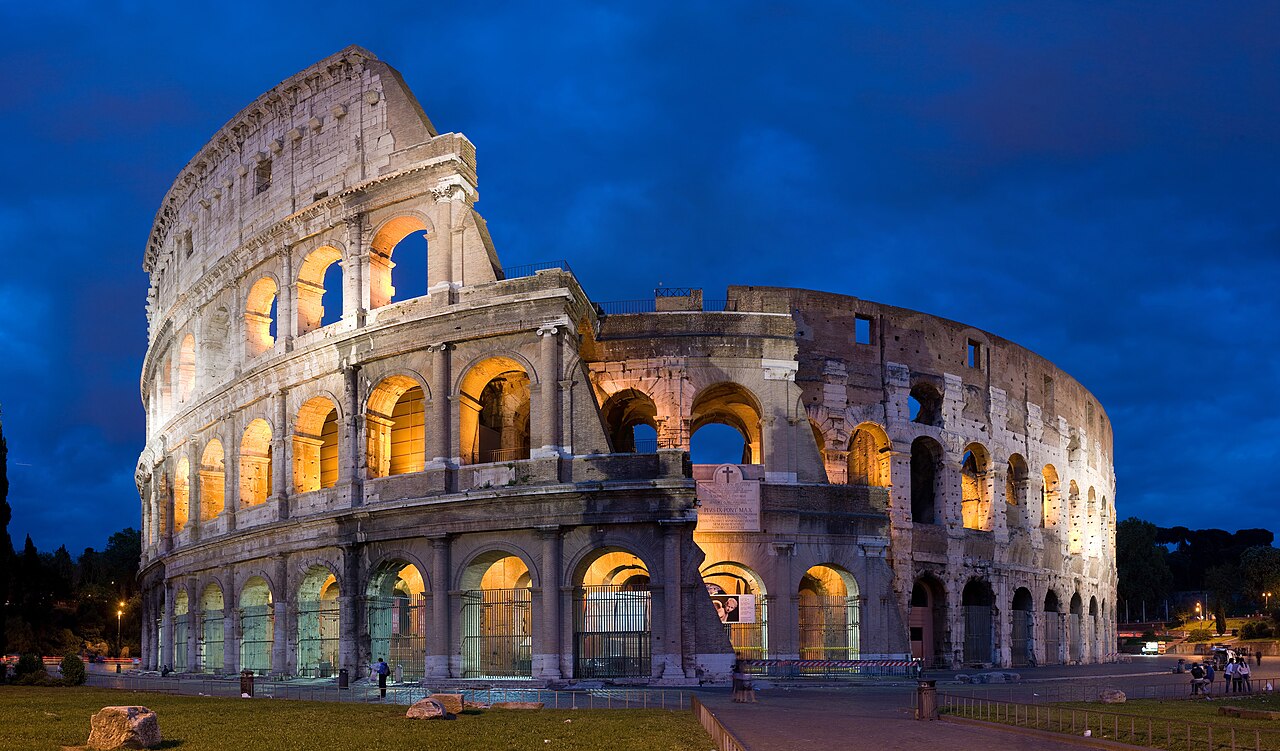
Colosseum on the earliest timed slot, then straight into the Roman Forum before the midday heat and crowds build.
Afternoon
Palatine Hill for the views over the Circus Maximus, then a slow walk down Via dei Fori Imperiali back towards Piazza Venezia.
Evening
Dinner in Monti, a short walk from the ruins and considerably cheaper than the streets directly around the Colosseum.
Getting between them
Metro B to Colosseo in the morning; everything else on foot, around 3 km.
Day 2: Vatican City
Focus: Prati and Vatican
Morning
Vatican Museums on an early booked slot, finishing at the Sistine Chapel, then straight through to St Peter's Basilica.
Afternoon
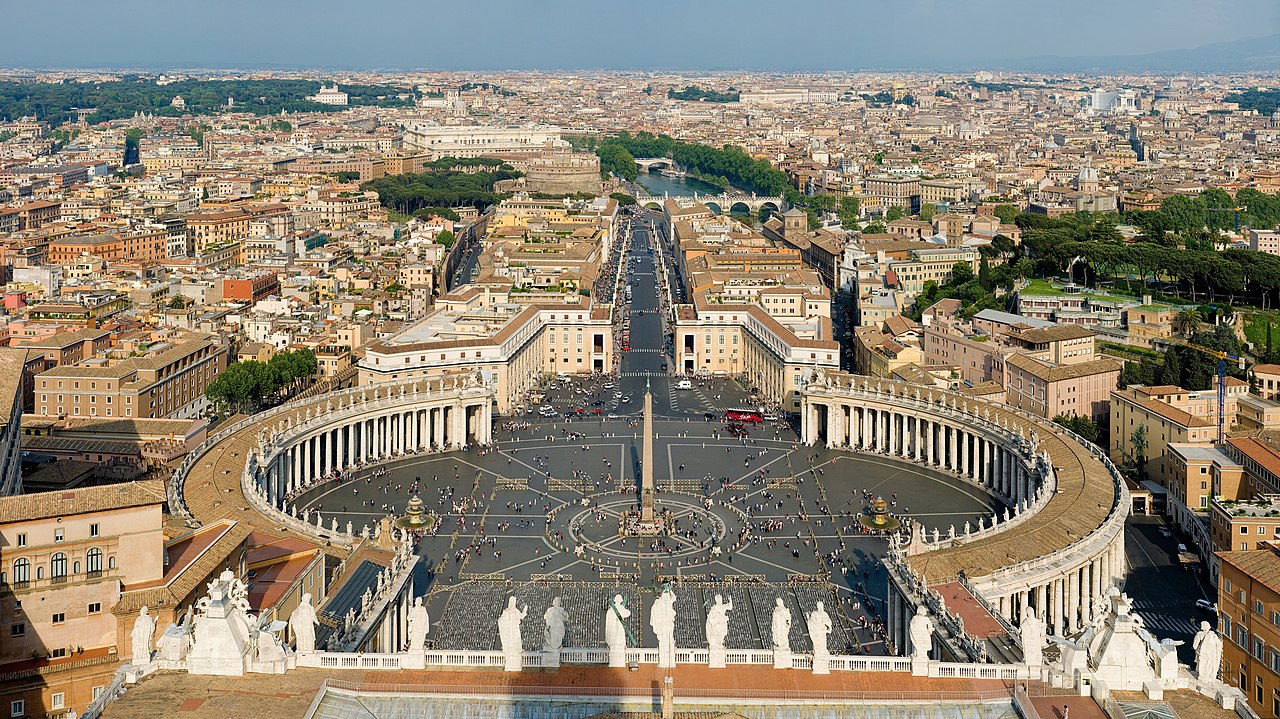
Climb the dome for the best rooftop view in Rome, then lunch in Prati on Via Cola di Rienzo, away from the tourist-priced streets by the Vatican walls.
Evening
Cross the river via Castel Sant'Angelo at dusk, when the fortress and bridge are lit and far less crowded than during the day.
Getting between them
Metro A to Ottaviano in the morning; the walk to Castel Sant'Angelo is about 20 minutes.
Day 3: Baroque Rome and Trastevere
Focus: Centro Storico, then Trastevere
Morning
Pantheon at opening, then Piazza Navona and a coffee before the square fills with tour groups.
Afternoon
Trevi Fountain and the Spanish Steps, then a slow walk through Campo de' Fiori's afternoon wind-down.
Evening
Cross to Trastevere over the Ponte Sisto for dinner and an evening walk through the neighbourhood's lanes.
Getting between them
Entirely walkable, roughly 4–5 km across the day.
Adapting this plan
If you only have two days, drop the Trastevere evening and see the Pantheon and Trevi as a short loop after the Vatican day instead. If you arrive mid-afternoon on day one, use the half day for Piazza Navona and the Pantheon and keep the Colosseum morning for the following day, since arriving at the first entry slot genuinely reduces queue time.
Best time to run this itinerary
April–June and September–October offer warm days and manageable crowds. July–August are hot and busy; November–February are quieter with occasional rain.
Before you go
Restaurants near major sights are tourist traps — walk two streets away for better food.
Sunday afternoon buses run less frequently; plan return trips.
Cover shoulders and knees for St Peter's and Vatican Museums.
Rome FAQs
Is three days enough for Rome?
Yes for the headline sites, provided you split ancient Rome, the Vatican and the Baroque centre across separate days rather than mixing them. Three days does not comfortably fit a day trip to Ostia Antica or Tivoli as well.
Should I see the Colosseum or the Vatican first?
Either order works, but do the Colosseum on the day you have the most energy — the Forum and Palatine involve a lot of walking on uneven ground, while the Vatican route is flatter and better paced by timed entry.
Ready to book your Rome trip?
Everything in this guide is bookable through Marhaba's licensed partners.